From the Site #016
Knockdown for a Rebuild in Lambton — and How Salvage Rights Sharpened the Price
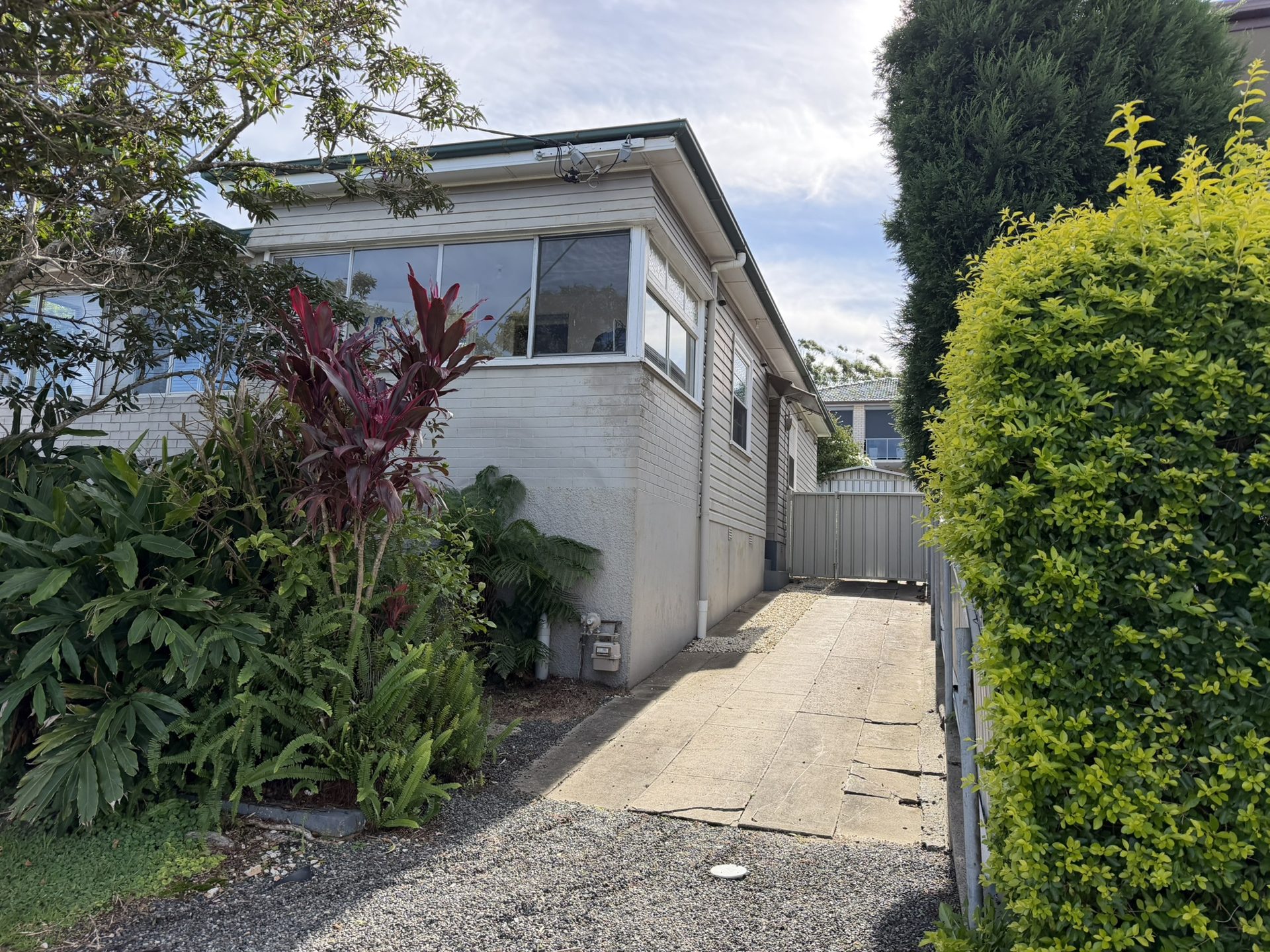
A single-storey house making way for a knockdown-rebuild. We quoted while the DA was still with council, stripped the house softly, put the excavator through it in July — and priced the whole job with salvage rights, so the materials in the old house worked for the owner instead of against them.
A Knockdown-Rebuild Starts With a Demolition Quote
When this enquiry landed, the owner’s position was the classic knockdown-rebuild moment: a tired single-storey house on a good block, new home designed, and the plans “with council, approved shortly”. Plenty of demolishers won’t engage until the paperwork is stamped. We think that’s backwards — the demolition quote is exactly what the owner needs early, because the demolition cost, the asbestos question and the timeline all feed the build budget and the builder’s programme.
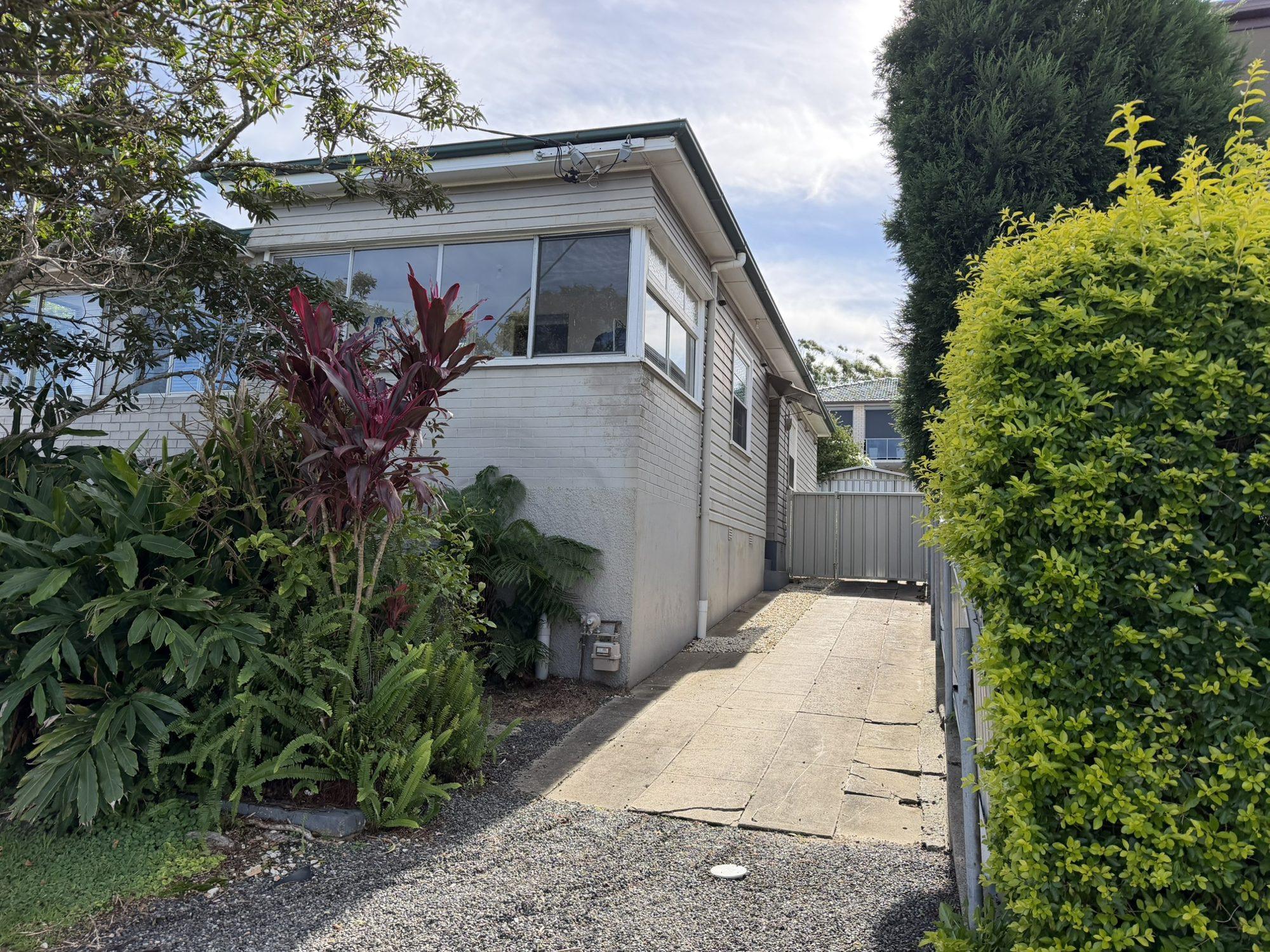
So we quoted it at the end of April, fixed, off a proper look at the house: single storey, clad construction, easy access, full building to go. The go-ahead came once the owner’s approvals fell into place, and the job went into the programme — soft strip first, machine after.
Salvage Rights: The Value Hiding Inside an Old House
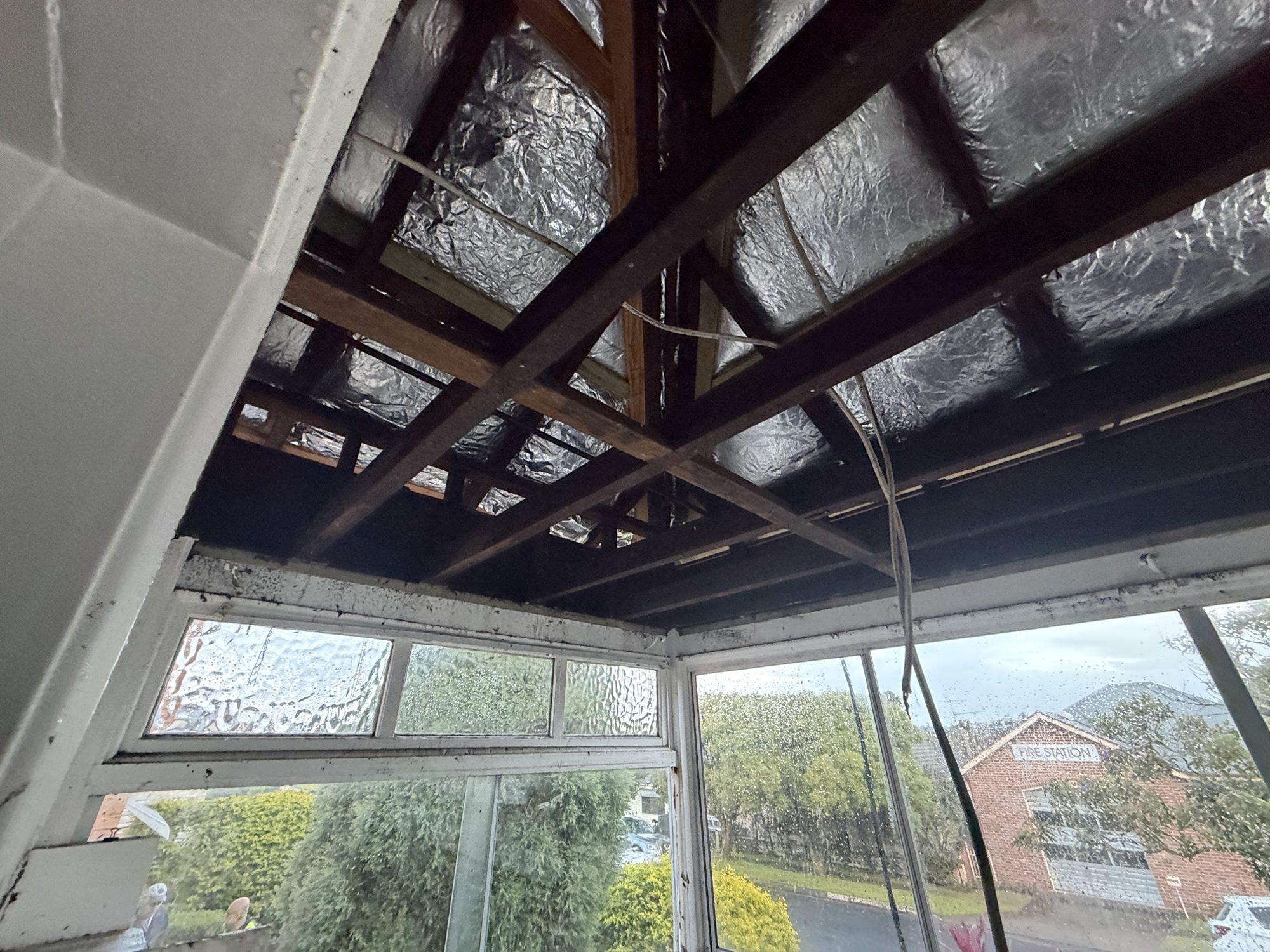
Here’s the part of this job worth understanding even if your house is in Sydney and your demolition is years away: it was priced with salvage rights. That means the recoverable materials in the house — hardwood, metals, fittings, anything with a second life — stayed ours to recover and on-sell, and the price the owner paid reflected that from the start.
It’s the same thinking behind the donation-and-recycling sort on our clean-out work: a house isn’t just waste with walls. Run the job so the useful fraction is recovered rather than crushed, and everyone does better — less goes to landfill, and the metal recycler and timber yard get stock instead of the tip getting tonnage. It only works if the demolisher plans for it, which is why the soft strip matters so much.
Soft Strip First, Machine Second
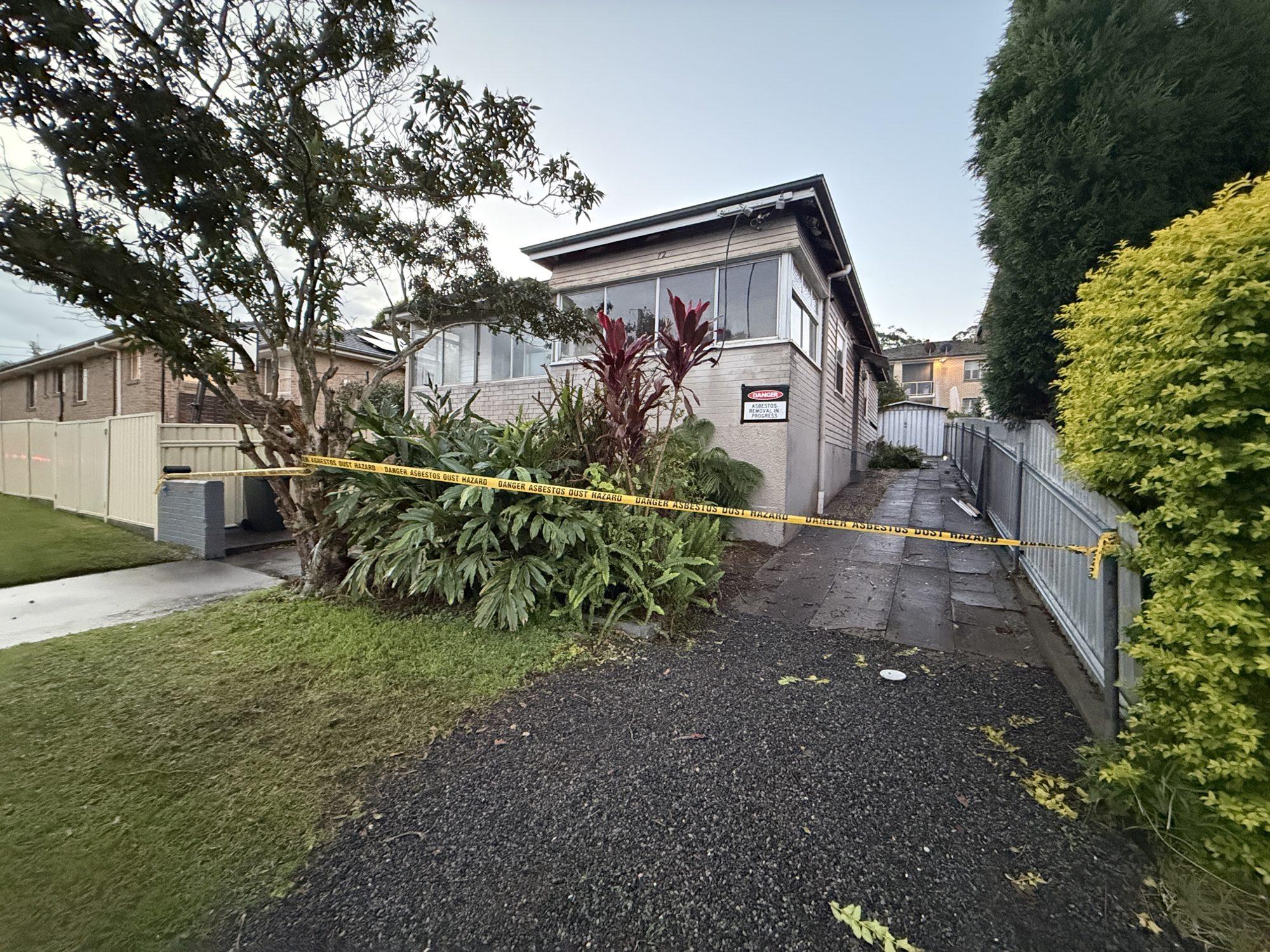
Before anything came down, the boring-but-critical list got done: services checked through Dial Before You Dig, utilities made safe, and both adjoining neighbours notified in writing — nobody should learn about a demolition next door from the sound of an excavator. The pre-demolition check also flagged bonded asbestos in the building fabric, which is licensed Class B scope — identified, handled and off site as its own documented stream before machine work.
Then the soft strip: the crew worked through the house by hand, pulling the interior back to frame — linings, fittings, flooring — separating the salvage from the waste room by room. This is where salvage rights get earned. A machine-only demolition turns everything into one contaminated pile; a stripped house comes down clean, with every stream already sorted.
Knockdown Week
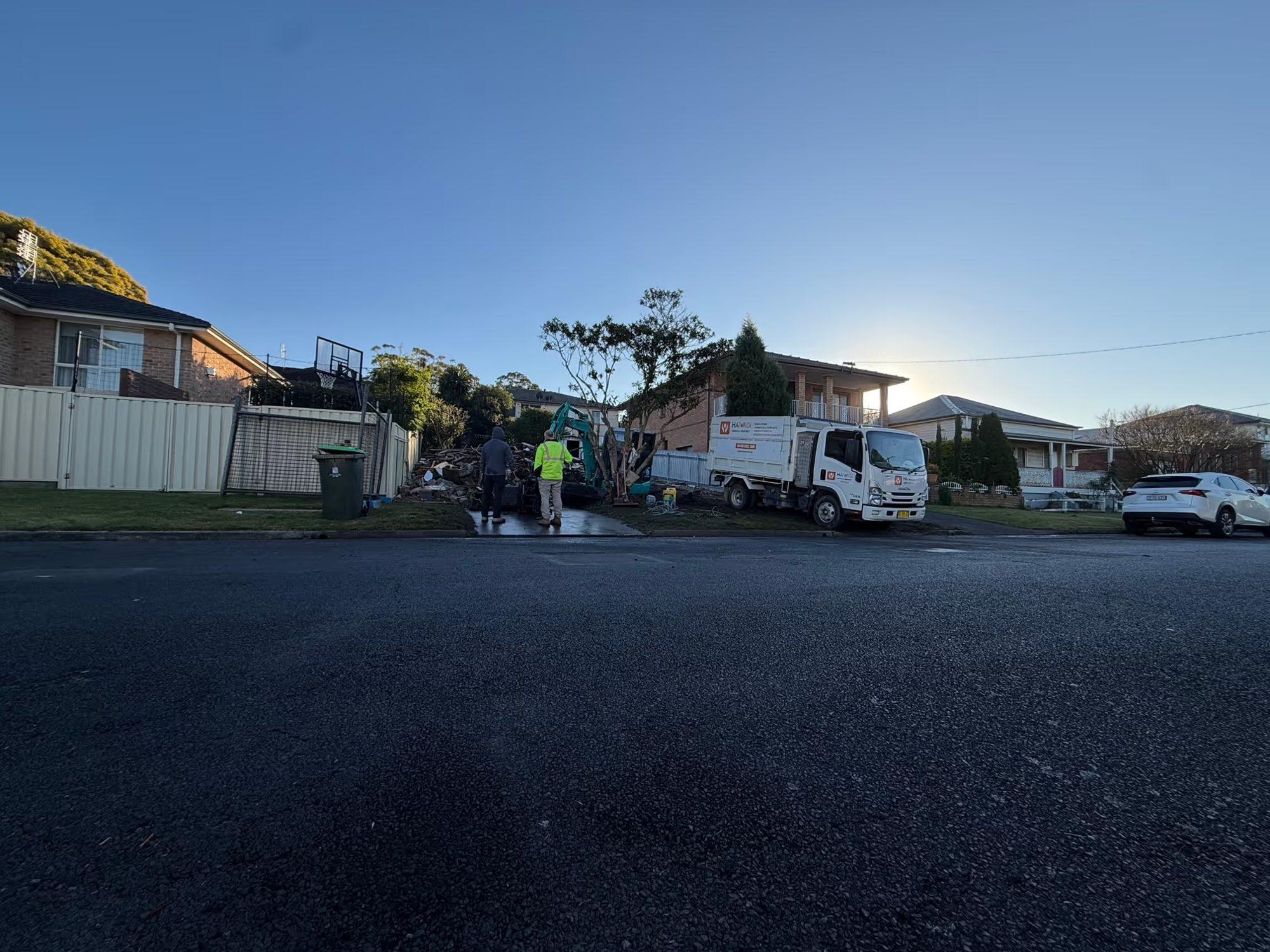
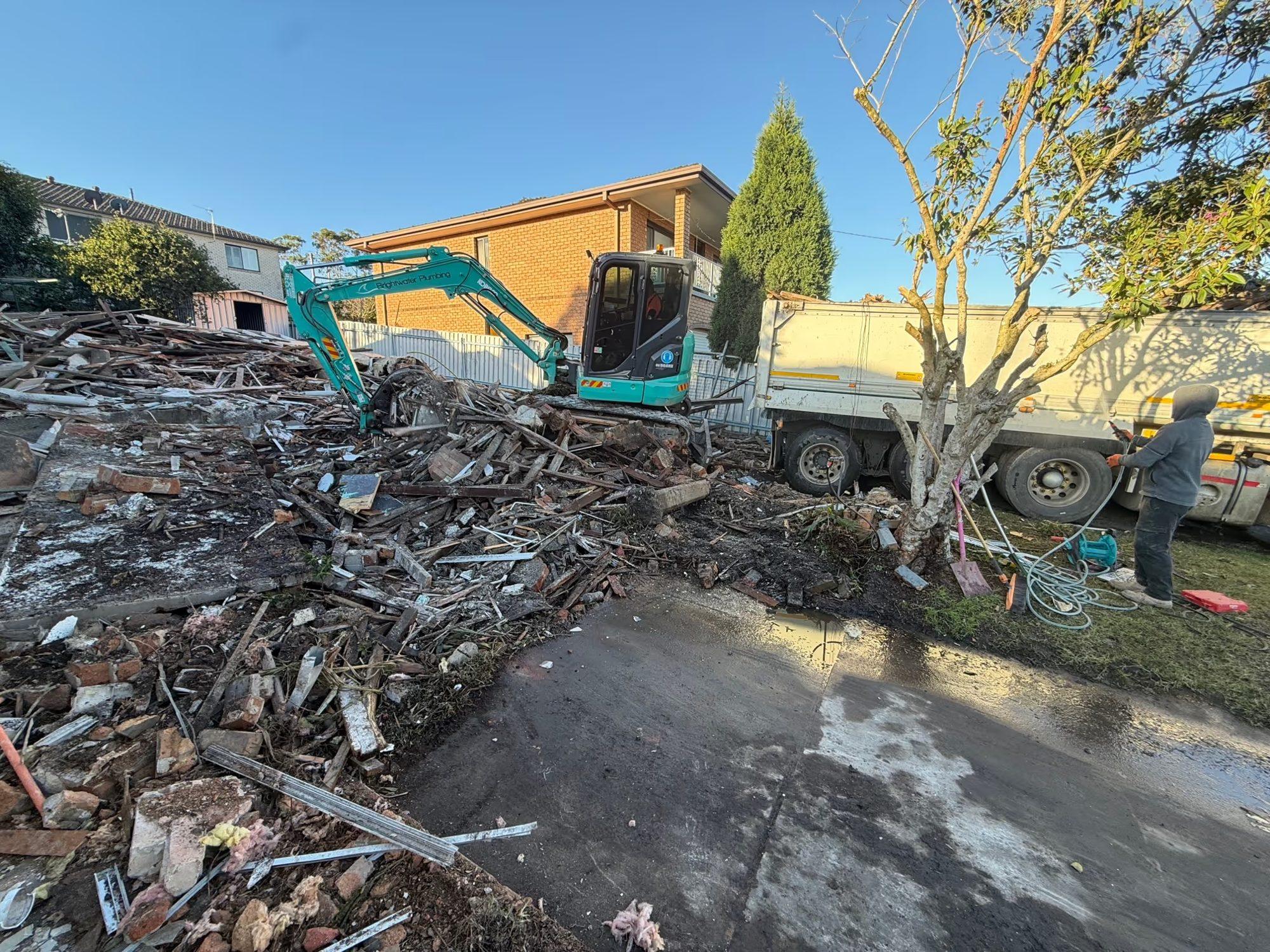
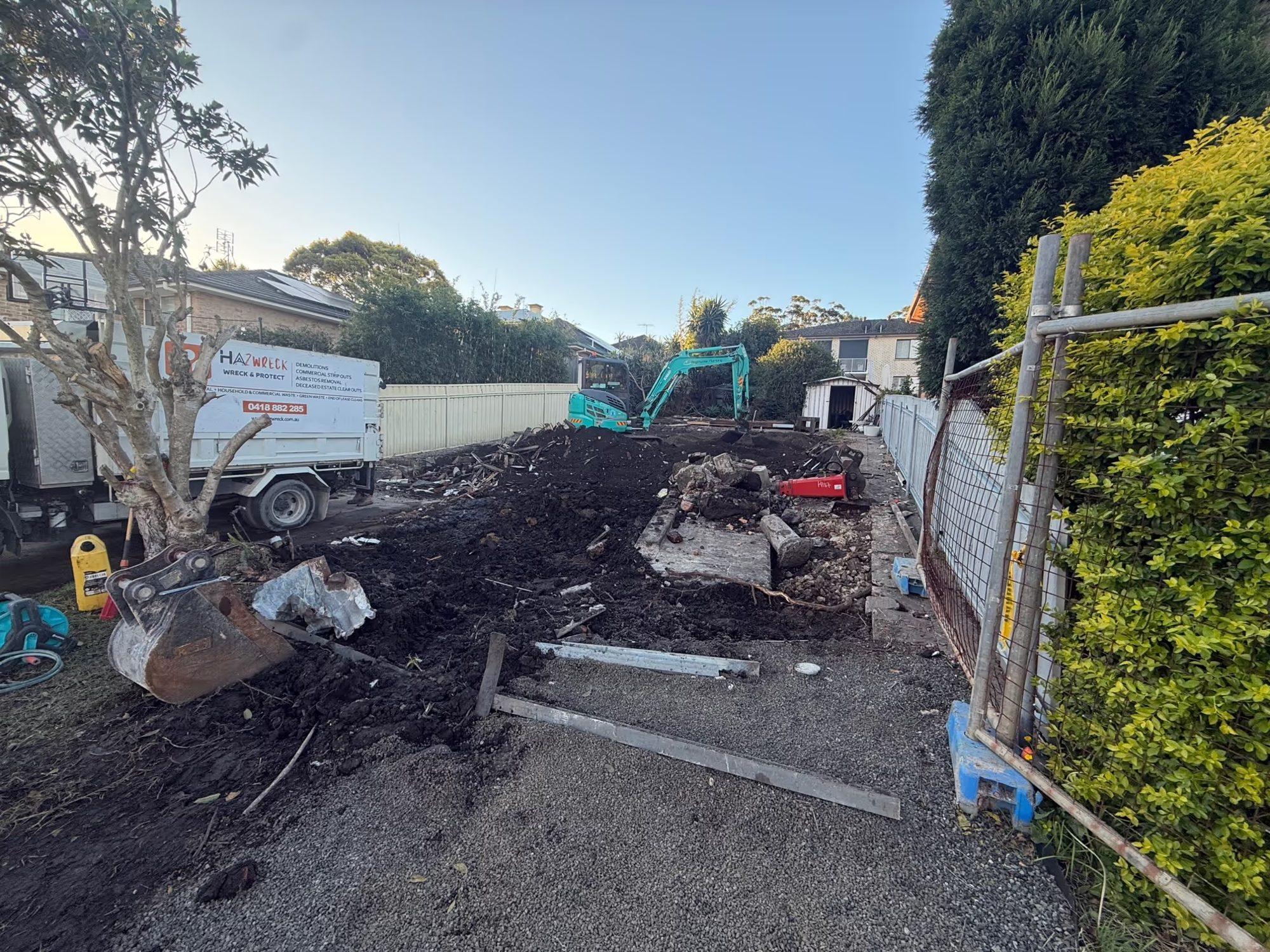
With the shell empty, the excavator went through it in a controlled sequence — roof structure, walls, floor, then the footprint picked clean. Trucks cycled the streams out separately: metals to the recycler, clean fill and masonry to resource recovery, general demolition waste to licensed facilities — dockets on every load, from Newcastle facilities so the trucks weren’t carting waste down the M1 for no reason.
Worth saying plainly: this job is in Lambton, Newcastle — a couple of hours from our Sydney base. Distance is a line in the price, not a reason to say no. The machine was floated up, the crew inducted, and the job ran the same way it would in Parramatta.
What a Full House Demolition Costs
Most single-storey house demolitions land somewhere between $25,000 and $40,000 all-in — structure down, slab and footings as scoped, asbestos handled under licence, waste lawfully disposed of and docketed. This one came in at the upper part of that band: $35,000–$40,000, carrying the distance and the full scope — and with the salvage rights already working for the owner inside that number.
What moves the price: size and construction, how much asbestos is in the fabric, access for machines and trucks, whether the slab goes, and distance. What shouldn’t move it: surprises. A fixed quote off a proper inspection is the only honest way to price a knockdown.
Lessons From This Job
1. Get the demolition quote while the DA is still in flight. The number feeds your build budget, and the programme can start the moment council stamps the plans — instead of starting a quote hunt from zero.
2. Ask every demolisher one question: “what happens to the materials?” If the answer is “it all goes in the truck”, you’re paying tip fees on things that have value. Salvage rights, properly planned, show up in your price.
3. The soft strip is where a good knockdown is won. Hazards out under licence, salvage recovered, streams separated. The machine part looks dramatic; the hand part is what makes it clean.
4. Neighbours get letters before machines. Written notification isn’t just courtesy — it’s how a demolition happens next to people without becoming the street’s problem.
Planning a Knockdown-Rebuild?
Send us the plans — or just photos of the house — before your DA lands. You’ll get a written fixed price for the demolition, the asbestos handled under our Class B licence in the same contract, and a straight answer on whether salvage rights can work in your favour. Sydney-wide, and as this job shows, further when it makes sense.
Related services
How HazWreck Can Help
Planning a project?
One Contractor, From Hazardous Materials to Handover
Call before the project starts — one conversation at planning stage can save weeks on programme.