From the Site #019
An Hour on the Tools. A Night of Coordination. Ceiling Access Works at Sydney Airport T1
Three ceiling openings for a roof drainage upgrade inside Sydney Airport’s international terminal. The cutting took about an hour. Delivering it meant coordinating access, working around terminal operations and leaving the passenger hall ready for the next day.
Opening the Ceiling So the Upgrade Can Begin
Before roof drainage can be replaced above a finished ceiling, the trades need access from below.
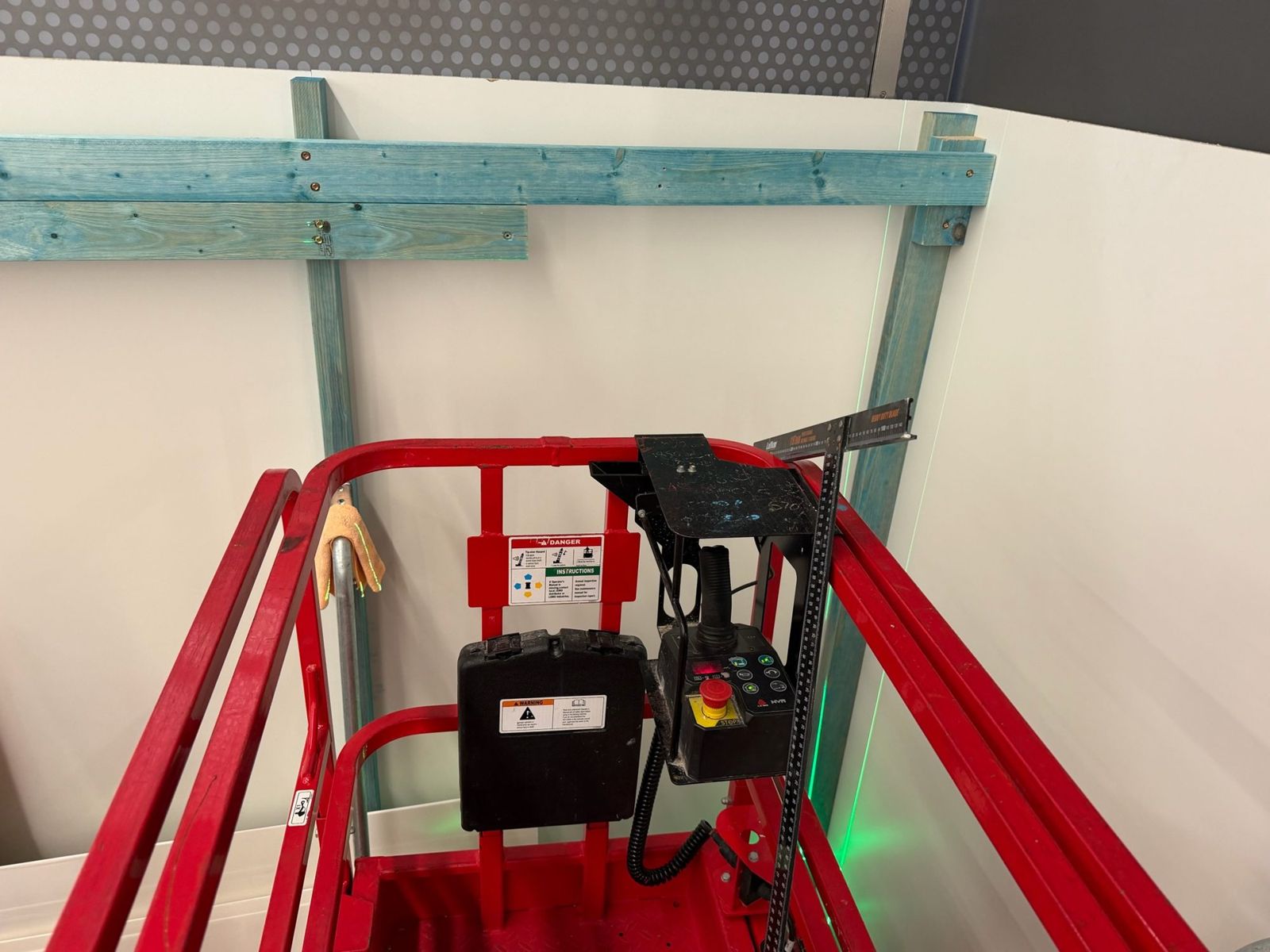
That was HazWreck’s role on Hicon Building’s T1 roof drainage project: form measured openings in the existing plasterboard ceilings so the plumbing works could proceed.
The wider package involved ceiling access works across Departures, landside areas and Arrivals. Each location brought its own access arrangements and surrounding operations.
For this shift, the scope was three openings in the international arrivals hall.
A modest internal demolition scope, but one with a clear requirement: complete the work within the available night window and leave the surrounding passenger area ready for use.
Getting Into Position Was the First Job
Our crew arrived at 9:00pm, ready for the night’s work.
The planned access route proved unsuitable for the supplied scissor lift. An alternative route had to be coordinated through a controlled area of the terminal, with the required escort arrangements in place.
Until the lift could reach the work area, cutting could not begin.
That is a practical reality of working inside an operating airport. A crew can be ready, the scope can be straightforward and the tools can be on site, while access still determines when production starts.
The crew kept its equipment ready and moved into position once access was available.
The first cut began at 11:25pm.
Three Openings, Accurately Cut
Once the lift was in place, the work progressed quickly.
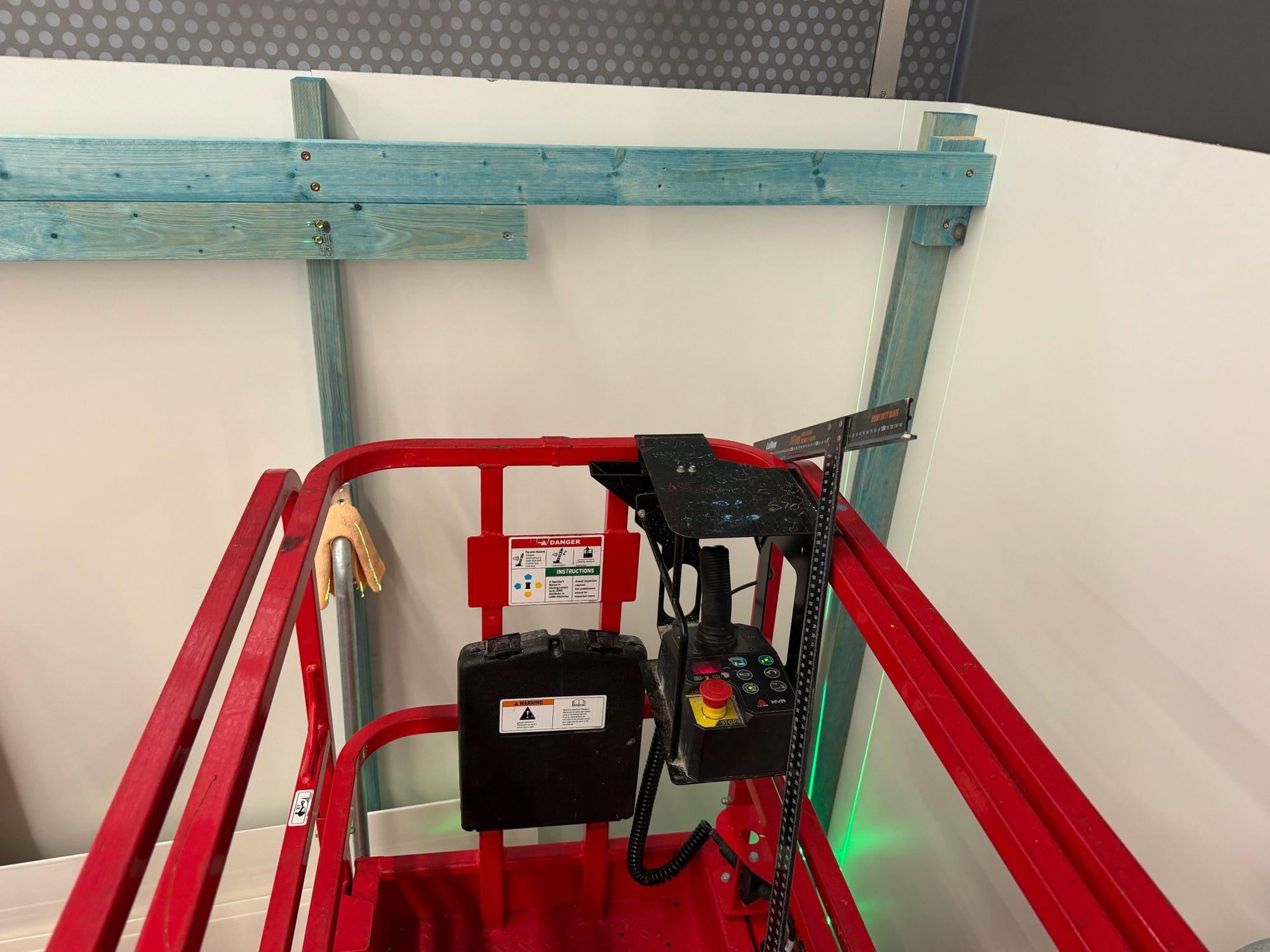
Each opening followed the laser set-out lines, creating defined access for the drainage works above. The crew controlled the removal of the plasterboard, bagged the waste and vacuumed the surrounding work area.
Working above a passenger processing area makes housekeeping part of the scope from the outset. Dust and debris need to be managed around the equipment and finishes below, with enough time allowed for cleaning before handover.
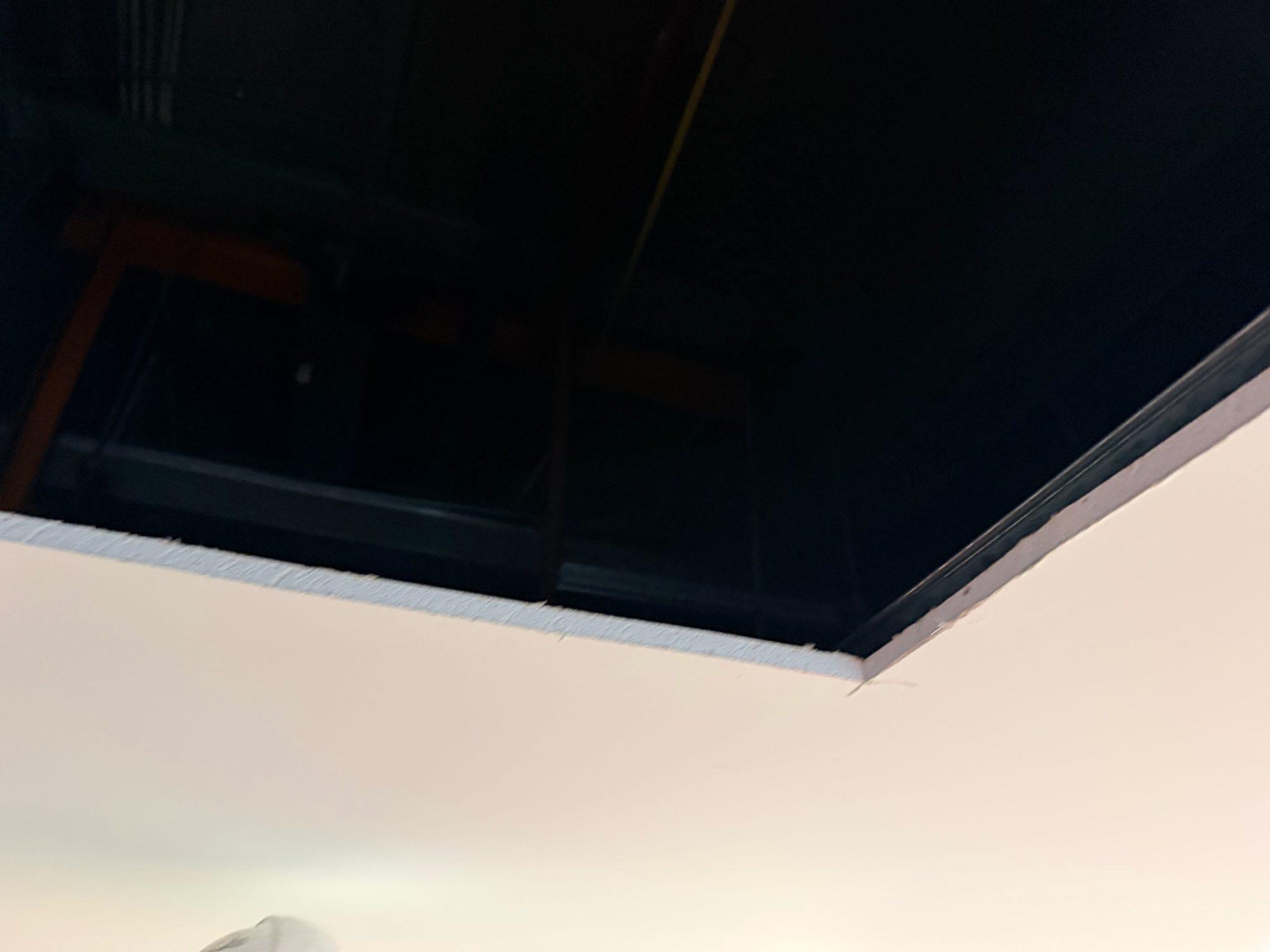
By approximately 12:30am, all three openings had been completed.
The Cut Is Only Part of the Handover
Completing the openings was one part of the shift. Preparing the area for handover was another.
The crew removed the waste, cleaned the work area and assisted with fitting temporary coreflute protection over the openings pending the follow-on works.
This additional assistance helped the site team complete the night’s handover.
Inside an operating terminal, the condition of the area at the end of the shift matters as much as the speed of the cutting. The following trades need usable access, and terminal operations need an orderly work area.
When the Work Cannot Proceed
Other shifts on the project reinforced the importance of confirming prerequisites before cutting.
On an earlier attendance in Departures, the required services isolations were not in place, so the cutting did not proceed. A subsequent attendance was also interrupted before that section was ultimately completed.
Those decisions affect the programme, but the response has to remain consistent: if the required isolation and work controls are not confirmed, cutting waits.
For a head contractor, that means having a subcontractor who can communicate the constraint clearly, respond to revised arrangements and return ready to complete the work.
What Matters on a Small Scope in a Live Building
The amount of material removed tells only part of the story.
On work like this, delivery depends on:
- Preparation: crew documentation, equipment and work arrangements ready for the shift.
- Coordination: working within the terminal’s access requirements and the head contractor’s programme.
- Accuracy: forming the openings where the following trades need them.
- Judgement: stopping when prerequisites are missing and proceeding when the work is authorised.
- Handover: removing waste, cleaning the area and completing the agreed close-out requirements.
These are the same disciplines we bring to overnight strip-outs on the T1 Inbound project, retail defits within a single shift and demolition inside an operating gym.
Lessons From the Shift
1. Check the whole plant access route. Door openings, corridors, turning space and any lifts along the route need to suit the equipment being supplied.
2. Allow for controlled access. Production depends on access windows and escort availability as well as the time required on the tools.
3. Confirm isolations before cutting. The programme must allow for the required services checks and authorisations.
4. Plan the handover alongside the demolition. Waste removal, cleaning and temporary protection need time within the shift.
Need a Crew for a Building That Can’t Close?
HazWreck delivers commercial strip-out and internal demolition in operating buildings, including airport terminals, occupied offices and trading premises.
Tell us what needs to come out, when the work can happen and the access requirements. We’ll help plan the scope around the building’s operations.
Related services
How HazWreck Can Help
Planning a project?
One Contractor, From Hazardous Materials to Handover
Call before the project starts — one conversation at planning stage can save weeks on programme.